
Why Prices Are Rising Worldwide in 2026: Fuel, Food and Inflation Explained Simply
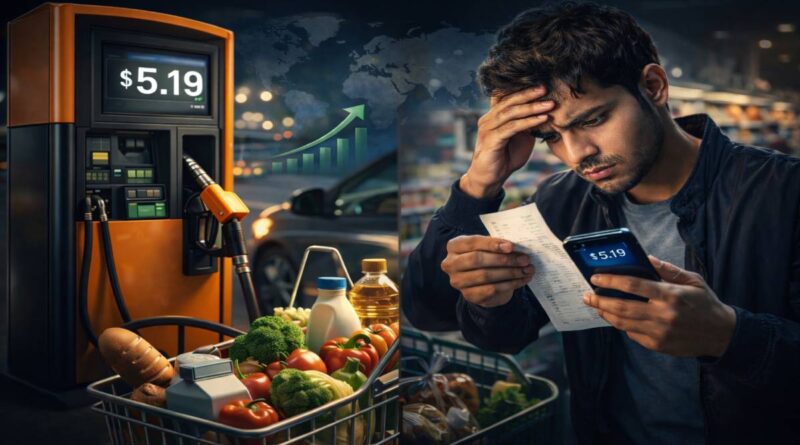
Prices are rising worldwide in 2026, and the cost of living is increasing across countries due to global inflation, rising fuel prices, and food inflation. From petrol and groceries to housing and loans, Households across the world are facing rising monthly expenses, making it harder to manage daily budgets.
This is not just a temporary trend. It is the result of deep global forces including geopolitical tensions, energy disruptions, and economic policy changes.
This is why everything is getting expensive worldwide.
What Is Global Inflation in 2026
Global inflation refers to the widespread increase in prices across economies. In 2026, inflation is not driven only by demand, but by supply disruptions and geopolitical instability.
Unlike normal inflation cycles, the current situation is shaped by:
- Energy shortages
- Disrupted global trade routes
- Rising production costs
- Policy responses from central banks
As inflation rises, purchasing power declines, meaning people pay more for the same goods and services. This is the foundation of the current cost of living crisis.
To understand how inflation impacts investments, read our detailed guide on stock market trends.
How Geopolitics Is Driving Rising Prices Worldwide
One of the biggest reasons why prices are rising worldwide is geopolitics, especially tensions involving the United States and Iran.
The conflict has disrupted the Strait of Hormuz, one of the most important oil supply routes in the world. A significant portion of global oil passes through this region.
Due to this conflict:
- Oil shipments have been restricted
- Tankers face higher risks and delays
- Energy infrastructure has been affected
As a result, global oil supply has tightened, pushing prices higher.
This shows how a regional conflict can quickly turn into a global economic problem.
Why Fuel Prices Are Rising Worldwide in 2026
Fuel is the backbone of the global economy. When fuel prices rise, the impact spreads across every sector.
Changes in fuel prices also influence market movements, which you can explore in our analysis of why stock markets fall.
Due to geopolitical tensions and supply disruptions:
- Crude oil prices have increased significantly
- Transportation costs have surged
- Industrial energy expenses have risen
Higher fuel prices affect:
- Logistics and shipping
- Manufacturing costs
- Electricity generation
Fuel price increases are often the first trigger in the chain reaction of rising prices worldwide.
How Rising Prices Affect Your Daily Life
Rising prices directly impact individuals and households:
- Higher petrol and transportation costs
- Increasing grocery bills
- Expensive housing and rent
- Rising EMIs and loan payments
As inflation rises, people are forced to spend more on essentials, reducing savings and increasing financial pressure.
Why Food Prices Are Increasing Worldwide
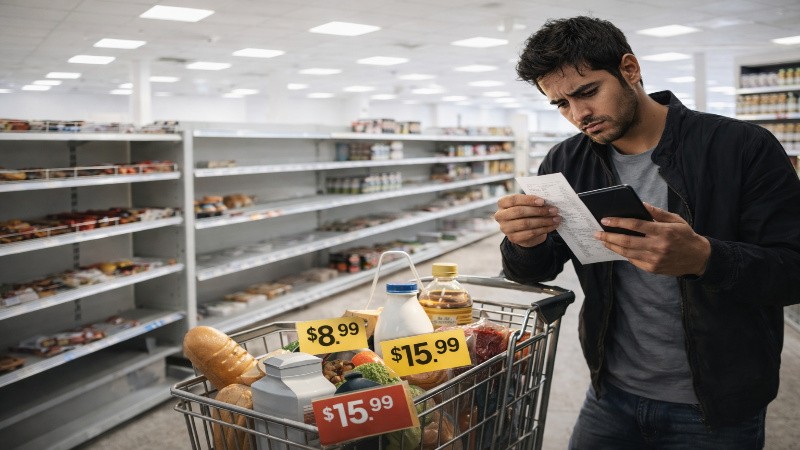
Food inflation is the second major wave after fuel.
Food production depends heavily on energy, transportation, and global supply chains. When fuel costs increase, food prices follow.
Key reasons behind food inflation include:
- Higher transportation costs
- Expensive fertilizers and farming inputs
- Climate-related disruptions
- Supply chain inefficiencies
As a result:
- Grocery bills are increasing globally
- Food affordability is becoming a concern
- Restaurants and food services are more expensive
This is a major contributor to the global cost of living crisis.
Why Interest Rates and EMIs Are Increasing Globally
As inflation rises, central banks try to control it by increasing interest rates.
This leads to:
- Higher loan interest rates
- Increased EMIs for borrowers
- Expensive mortgages and credit
Higher interest rates reduce borrowing and spending, but they also increase financial pressure on households.
This is why many people are experiencing rising EMI burdens along with higher daily expenses.
The Global Chain Reaction Behind Rising Prices
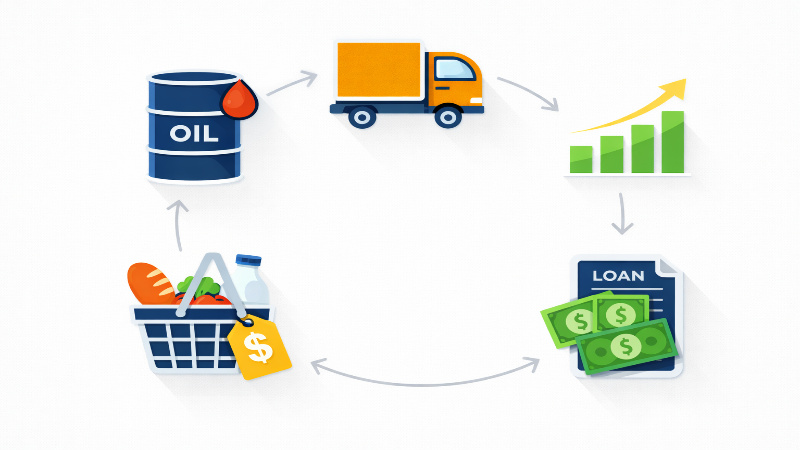
The rise in prices worldwide follows a clear economic chain:
- Global conflict → Energy disruption
- Energy disruption → Oil prices increase
- Oil prices → Transport cost rises
- Transport → Food & goods become expensive
- Inflation rises globally
- Interest rates increase
This interconnected system explains why prices are rising worldwide across all sectors. which shows how financial risks are evolving globally, similar to trends seen in digital payment systems.
Global Impact Across Different Regions
United States
Higher interest rates and fuel costs are increasing living expenses and reducing purchasing power.
Europe
Energy shortages are driving up electricity and heating costs, worsening inflation.
Emerging Economies
Countries dependent on energy imports are facing severe increases in fuel and food prices.
Global markets remain highly sensitive to geopolitical developments, especially conflicts affecting energy supply.
Why 2026 Is Different From Previous Years
The current price rise is different because it is driven by global supply shocks and geopolitical instability rather than just demand.
Unlike previous inflation cycles, multiple crises are happening simultaneously, making the situation more complex and long-lasting.
Why the Cost of Living Crisis May Continue
The current situation is not temporary. Several long-term factors are involved:
- Ongoing geopolitical tensions
- Fragile global supply chains
- Energy transition challenges
- Uncertainty in economic policies
Even if conflicts ease, markets may take time to stabilize, meaning prices could remain high for an extended period.
Conclusion
Prices are rising worldwide in 2026 due to a combination of global inflation, geopolitical tensions, and energy disruptions. Fuel prices increase first, followed by food costs, and then borrowing becomes expensive as interest rates rise. This creates a cycle that affects households across the world.
Understanding this chain helps explain a simple reality: the global economy is deeply interconnected, and events in one region can impact the cost of living everywhere.
Frequently Asked Questions
Why are prices rising worldwide in 2026
Prices are rising worldwide due to global inflation, fuel price increases, supply chain disruptions, and geopolitical tensions affecting energy supply.
What is causing global inflation in 2026
Global inflation is caused by rising energy costs, geopolitical conflicts, increased production expenses, and disruptions in global trade.
Why are fuel prices increasing worldwide
Fuel prices are rising due to reduced oil supply, geopolitical tensions, and increased global demand.
Why is food getting expensive worldwide
Food prices are increasing due to higher transportation costs, expensive fertilizers, and supply chain disruptions.
How does inflation affect daily life
Inflation increases the cost of fuel, food, housing, and loans, reducing purchasing power and increasing financial pressure.

Pingback: UPI Fraud Alert 2026: New Scam Methods Reported Across India