
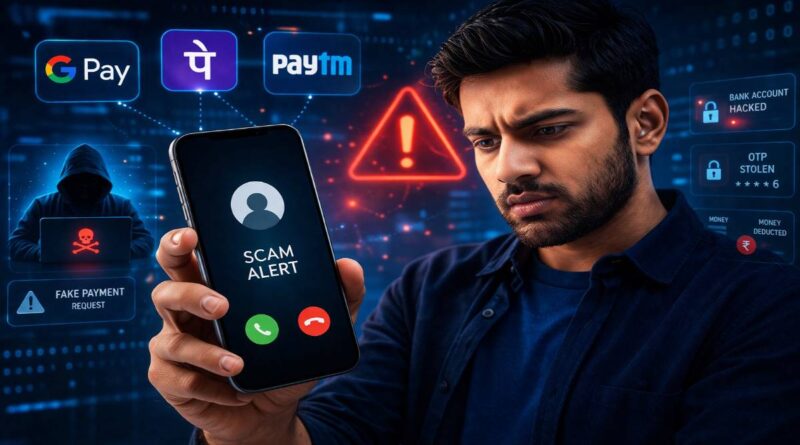
UPI Fraud Alert 2026: New Scam Methods Spreading Across India
UPI fraud cases in India are rising rapidly in 2026, with scammers using advanced tricks to target unsuspecting users. From fake payment screenshots to collect request scams, thousands of people are losing money every day.
With digital payments becoming a daily habit, understanding these new scam methods is no longer optional, it’s essential. In this guide, we break down the latest UPI fraud techniques, real examples, and simple steps you can take to protect your money.
Rise in UPI Fraud Cases Across India in 2026
Recent data and observations indicate a noticeable increase in UPI-related fraud incidents, particularly in urban and semi-urban regions. The growing dependence on digital transactions for everyday payments has made users more vulnerable to social engineering scams.
Key factors contributing to this rise include:
- Increased digital adoption among first-time users
- Lack of awareness about evolving fraud techniques
- Over-reliance on convenience without verification
- Rapid transaction approvals without careful review
Experts note that fraudsters are continuously adapting their strategies, making it essential for users to stay informed about new scam methods These scams often increase during economic uncertainty, similar to trends seen in inflation and market volatility.
.
Latest UPI Scam Methods in India 2026
Authorities and cybersecurity analysts have identified multiple new scam patterns being used by fraudsters across the country.
Fake “Collect Request” Scam
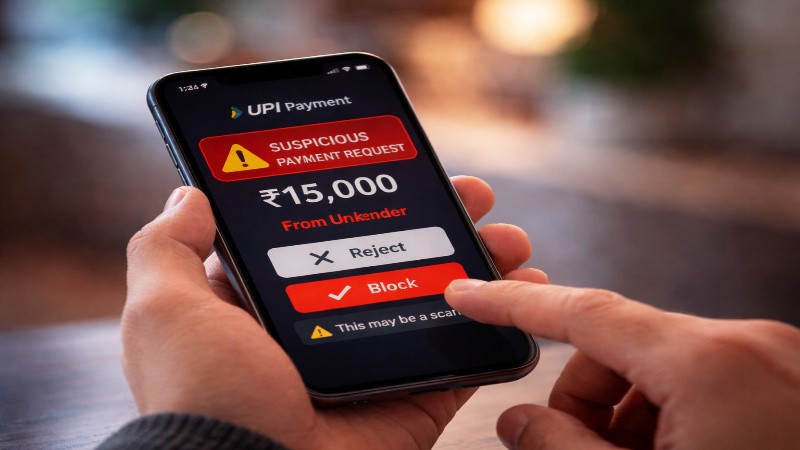
In this method, scammers send a “collect request” that appears similar to a payment notification. Many users mistakenly approve the request, assuming they are receiving money, which results in funds being debited from their account.
This method is highly effective as it closely resembles genuine payment notifications, making it difficult for users to identify the difference.
Screen Sharing Fraud
Fraudsters persuade users to install remote access applications such as AnyDesk or TeamViewer under the pretext of resolving an issue or assisting with a transaction.
Once access is granted, scammers can take control of the device and perform unauthorized transactions or access sensitive financial information.
Fake Customer Support Calls
Scammers impersonate bank officials or representatives from payment platforms and contact users claiming issues with their accounts or transactions.
They attempt to extract confidential information such as OTPs or UPI PINs. Many users fall victim due to the perceived authority and urgency created during the call.
QR Code Manipulation
Another common trick involves sending a QR code to users with instructions to scan it in order to receive money.
However, scanning such QR codes often results in money being debited instead of received. This method is widely used in online marketplaces and peer-to-peer transactions.
Phishing Links and Messages
Fraudulent messages claiming account suspension, KYC updates, or reward notifications are sent to users via SMS or messaging apps.
Clicking on these links redirects users to fake websites designed to steal login credentials and banking details.
Real-Life Example in India
In several recent cases across India, scammers used fake UPI screenshots at petrol pumps and shops to show “payment done” messages. Shopkeepers later realized that no money was actually credited.
This shows how simple tricks are being used to exploit trust in digital payments.
Advisory Issued by Authorities
The Reserve Bank of India and cybersecurity agencies have issued repeated warnings regarding the misuse of digital payment platforms.
Authorities have urged users to follow basic safety practices, including:
- Never sharing OTPs, UPI PINs, or banking credentials
- Avoiding unknown links or suspicious messages
- Verifying payment requests before approval
- Using only official and verified applications
These guidelines are intended to reduce user vulnerability and prevent financial losses.
Why UPI Frauds Are Increasing in 2026
- Rapid growth of digital payments
- Lack of user awareness
- Easy manipulation through social engineering
- Increased reliance on mobile transactions
Awareness is your biggest protection
How to Protect Yourself from UPI Fraud
- Always check your bank SMS or app, not screenshots
- Never approve unknown collect requests
- Avoid scanning QR codes from unknown sources
- Never share:
- UPI PIN
- OTP
- Bank details
- Do not install apps suggested by unknown callers
Understanding financial risks is important to stay safe. You can also learn how market movements impact your money in our detailed guide on stock market falls.
What Users Should Do If They Fall Victim

In case of a UPI fraud incident, immediate action is critical, as delays can reduce the chances of recovering lost amount.
Users are advised to:
- Call the national cybercrime helpline at 1930
- Report the incident on the official cybercrime portal
- Inform their bank or payment service provider immediately
- Block further transactions if suspicious activity is detected
Prompt reporting can help authorities track fraudulent transactions and potentially recover lost funds.
Expert Perspective
Financial and cybersecurity experts believe that UPI fraud is largely driven by human behavior rather than technical weaknesses.
Scammers often create a sense of urgency or trust to manipulate users into taking quick actions without verification. This psychological approach makes even experienced users vulnerable.
Experts states that awareness, caution, and verification are the most effective tools to prevent such frauds.
Frequently Asked Questions
What are the latest UPI fraud methods reported in India in 2026?
Fake collect requests, phishing links, QR code scams, and screen-sharing fraud are among the most commonly reported methods.
Is UPI still safe to use despite rising fraud cases?
Yes, UPI is safe if used carefully, but users must follow safety practices such as verifying requests and not sharing sensitive information.
Can I get my money back after UPI fraud?
You can report immediately to your bank or call 1930 (India cybercrime helpline). Recovery depends on how quickly you act.
What should I do immediately after a scam?
- Call your bank
- Block your account
- Report at cybercrime.gov.in
- Call 1930
Can someone hack my UPI without OTP or PIN?
No, but scammers can trick you into giving access.
Conclusion
UPI has made digital payments fast and convenient, but it has also opened doors for new types of fraud. Staying informed about the latest scam methods in 2026 is the first step toward protecting your money.
Always verify transactions, stay alert, and never trust unknown requests because in digital payments, awareness is your strongest security.
About Arthneeti Global
Arthneeti Global is a financial awareness platform focused on simplifying complex economic and financial topics for Indian users. Our goal is to help individuals make informed decisions and stay protected from financial risks.
To stay financially aware, explore our latest articles on economic trends and financial safety.
Union Budget 2026: Key Announcements and Impact on the Indian Economy
Best Tax Saving Investments in India 2026: ELSS vs PPF vs NPS Explained
