

India’s New CEPA with Oman: What It Means for Exports, Jobs & Economic Growth
India’s newly signed Comprehensive Economic Partnership Agreement (CEPA) with Oman marks a major milestone in the country’s trade and economic landscape. More than a tariff-reduction agreement, this deal expands export access, opens new service sector opportunities, strengthens MSMEs, and creates pathways for workforce mobility in the Gulf region.
This agreement arrives at a crucial moment, when India aims to diversify export markets, boost industrial growth, and enhance economic resilience amid global uncertainty
What Is the India–Oman CEPA?
The CEPA is a bilateral trade pact designed to reduce and remove import tariffs, improve customs and logistics, expand trade in services, ease business movement and investment.
A majority of Indian products will receive tariff-free or reduced-duty access to Oman. A huge win for exporters facing pricing pressure in global markets.
This agreement strengthens India’s presence in:
- Gulf Cooperation Council (GCC) nations
- Middle Eastern trade routes
- North & East African markets
How CEPA Will Boost India’s Export Growth
1. Greater Market Access & Price Advantage
Industries such as:
- textiles
- pharmaceuticals
- engineering goods
- gems & jewellery
- chemicals
- electronics
will benefit from reduced duties and greater market reach.
Exporters especially MSMEs get a new competitive edge through lower landed costs.
Learn how Indian exports are evolving here: India’s export performance
2. Stronger Growth for Services Sector
Unlike traditional trade deals, CEPA goes beyond goods. It unlocks opportunities in:
- IT
- consulting
- healthcare
- education
- R&D
- finance
- engineering services
Skilled professionals will experience smoother mobility between India and Oman enabling long-term commercial partnerships.
Related reading: economic growth opportunities
3. Boost for Traditional Medicine & Ayurveda
A unique element of the agreement is the inclusion of India’s AYUSH industry:
- Ayurveda
- Siddha
- Unani
- Homeopathy
This opens a valuable export channel for wellness, herbal products, and medical tourism.
Impact on Jobs & Economic Growth
Job Creation Across Industries
As export-led demand increases, new jobs are expected in:
- manufacturing
- logistics
- technology
- packaging
- transport
- consultancy
This supports both skilled and semi-skilled workers nationwide.
MSME Empowerment
With reduced trade barriers, smaller exporters gain easier access to global markets encouraging entrepreneurship and industrial expansion.
Supply Chain Stability
Simplified customs processes make trade movement smoother and more efficient, even in volatile periods.
For personal finance impact, read: smart money planning techniques
Why This Deal Matters Strategically for India
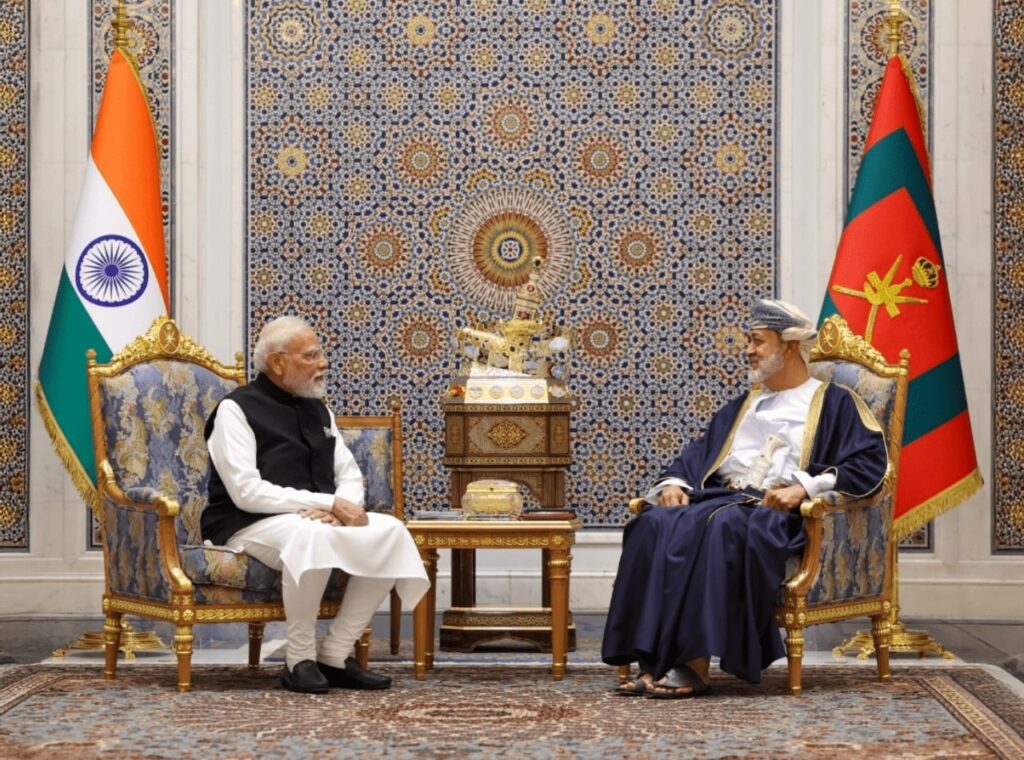
Oman acts as a gateway to:
- GCC
- Africa
- Mediterranean
- Europe
This trade route diversification reduces dependency on Western markets and creates safer growth channels during global slowdowns.
Trusted trade insights:
- Ministry of Commerce: https://commerce.gov.in
- Invest India: https://investindia.gov.in
- World Bank Trade: https://worldbank.org
Challenges to Consider
While the CEPA opens doors, Indian exporters must:
- meet quality compliance requirements
- strengthen branding
- build competitive pricing
- adjust to overseas demand
- improve logistics performance
Businesses entering Oman must understand consumer patterns and certification standards for long-term success.
Final Thoughts: A Progressive Step Forward
The India–Oman CEPA is more than a trade deal it is a strategic partnership built on opportunity, shared growth, and long-term cooperation.
With improved export access, job generation, MSME upliftment, and services expansion, this pact has the potential to contribute significantly to India’s economic advancement.
As India continues to build economic bridges across global markets, agreements like the Oman CEPA lay the foundation for stronger prosperity and international presence.
Frequently Asked Questions
What is the CEPA between India and Oman?
It is a trade agreement that reduces tariffs, opens access to services, and promotes investment between both nations.
How does CEPA benefit exporters?
Lower duties make Indian products cheaper and more competitive in Oman, leading to higher demand.
Which sectors gain the most from CEPA?
Textiles, pharma, engineering goods, gems & jewellery, and IT services are expected to benefit strongly.
Will CEPA create jobs in India?
Yes, increased manufacturing and export growth are likely to generate new jobs across multiple industries.
Does the agreement support MSMEs?
Absolutely MSMEs get easier access to global markets, lower costs, and stronger business scaling opportunities.

Pingback: India–New Zealand FTA: $2 Billion Trade Opportunity